Journal · Surf & travel guides · Planning
How to plan a surf trip
Where to go for your level, when the swell arrives, how to travel with boards and what to sort before you fly. Everything we’ve learned about surf travel, in one place.
Step one
Start with your level, not the photos
The single biggest factor in a good surf holiday is matching the waves to your ability. The breaks that fill surf films, hollow waves over shallow reef, can be frustrating or dangerous if you’re still learning, and a gentle beach break can bore an experienced surfer within a day. Be honest with yourself about where you are.
- Beginner: you’re learning to stand up, or riding broken white water. Look for sandy beach breaks, warm water, qualified instructors and lessons included.
- Improving: you paddle out and catch some unbroken waves. Look for friendly beach breaks and soft points, with coaching or guiding to help you choose where to surf.
- Intermediate: you catch your own waves and turn. Reef breaks on smaller days, points and quality beach breaks open up.
- Advanced: you’re comfortable in powerful, hollow waves and know how to handle yourself over reef. Most of the world is open to you, if you pick the right season.
Travelling with someone at a different level? Choose a place with a variety of breaks within reach, so you can each surf what suits you and still share the rest of the day.
Step two
Where’s good when: a surf calendar
Surf follows the seasons. Swell comes from storms far out at sea, so each coast has months when it’s most consistent, and months when it’s small or the wind blows the wrong way. Pick the month first and the destination often chooses itself. These are the peak seasons for the regions in our atlas.
| Region | J | F | M | A | M | J | J | A | S | O | N | D |
|---|---|---|---|---|---|---|---|---|---|---|---|---|
| Indonesia (Mentawai) | ||||||||||||
| Maldives | ||||||||||||
| Sri Lanka, south coast | ||||||||||||
| Sri Lanka, east coast | ||||||||||||
| Morocco (Taghazout) | ||||||||||||
| Portugal (Ericeira) | ||||||||||||
| Spain (Galicia) | ||||||||||||
| Nicaragua & Costa Rica | ||||||||||||
| Western Australia, North West |
- Peak season
- Shoulder or off season
Peak seasons as shown on each destination page in our atlas, sourced from Surfline and Surf-Forecast spot guides and official tourism boards; Nicaragua from May. Outside peak there’s often still good surf, with fewer people. Swell and wind vary year to year.
Step three
Stay, charter or expedition?
Once you know where and when, decide how you want to travel. There’s no right answer; it depends on how much you want to plan, how much time you want in the water and who you’re travelling with.
Stay
A surf resort, villa or camp
One base, chosen for the wave on its doorstep. Good for settling into a rhythm, travelling with a partner or friends, and mixing surf with downtime. Many offer lessons, guiding or boat trips.
Charter
A liveaboard boat
You sleep aboard and the boat follows the swell, reaching waves no land base can. Best for confident surfers who want to maximise time in the water, with less space and fewer extras.
Expedition
A guided small group
A guide reads the conditions and takes you to the right wave, the logistics are handled, and the days out of the water are part of the plan. Ideal for a first visit, travelling solo or remote regions.
Check what’s included
Prices for surf travel vary enormously, and so does what they include. Before you compare, check whether the price covers accommodation, meals, transfers, boat trips, guiding or lessons, and board hire. Flights and travel insurance are usually extra. A package that looks cheaper can cost more once you add the boat to the break every day.
Step four
Travelling with surfboards
- Check the airline’s rules before you book. Surfboard allowances and fees vary a lot between airlines, and sometimes between routes on the same airline. Read the sports equipment page and add your board bag to the booking in advance, which is often cheaper than paying at the airport.
- Use a proper board bag. A padded travel bag, with fins out, foam or bubble wrap on the nose, tail and rails, and towels or a wetsuit as extra padding.
- Take two boards if you can. An everyday board and a step-up for bigger days. One broken board shouldn’t end your holiday.
- Pack a repair kit. Solar-cure resin, spare fins and screws, a fin key, wax and a spare leash. In remote places, a ding can mean days out of the water.
- Or hire. Good hire boards are easy to find in Europe, Morocco and Australia’s surf towns, but choice is limited on remote islands, so ask your stay or guide first.
- Clean your gear. Some countries, Australia among them, have strict biosecurity rules for sandy or muddy equipment. Clean boards, wetsuits and booties before you pack.
Step five
Insurance, health and documents
- Insurance that actually covers surfing. Many standard policies exclude it, or exclude certain wave sizes or boat travel. Check that yours covers surfing, any other activities you plan, medical evacuation from remote areas and your boards.
- Entry rules. Visas and travel authorisations differ by nationality and change often. Check your government’s travel advice for every country you’ll enter or transit, and apply only through official websites.
- Passport validity. Many countries need six months’ validity from arrival. Check yours before you book.
- Health. See a travel health clinic or your doctor several weeks before going to the tropics, about vaccinations and mosquito-borne illness. Pack a first-aid kit with antiseptic for reef cuts.
Our country guides cover the details: Indonesia, Australia and Spain.
In the water
Be the visitor locals are happy to see
- Learn the right of way: the surfer closest to the peak has priority. Don’t drop in, and don’t paddle around people to steal position.
- Watch before you paddle out. Find the channel, see where the waves break and where the rocks or reef are.
- Surf within your ability. Sitting out a session is better than a rescue, or a broken board in someone else’s face.
- Respect the place: support local businesses, dress appropriately away from the beach, ask before photographing people, and leave nothing behind.
Checklist
The surf travel packing list
- Boards, board bag, leash and spare leash, fins and fin key, wax for the water temperature
- A wetsuit for the water temperature, or a rash vest and boardshorts or a swimsuit for the tropics
- Reef booties, a surf hat and high-factor, reef-safe sunscreen
- A ding repair kit and a small first-aid kit
- A refillable water bottle and reusable bags
- Passport, visa or travel authority, insurance documents and copies of everything
- A head torch, adaptor and power bank for remote places
FAQ
Common questions
Where should I go on my first surf holiday?
Somewhere with sandy beach breaks, warm or mild water and qualified instructors, at a time of year when the waves are small and friendly. A guided expedition or a surf stay with lessons included takes most of the guesswork out.
Where can I surf in winter from the UK?
In the European winter, Morocco, the Canary Islands and Sri Lanka’s south coast are all in season. Further afield, Western Australia and the Maldives have their own seasons; check our surf calendar.
How many surfboards should I take?
Two, if you can: an everyday board and a step-up for bigger days. Check your airline’s surfboard allowance and fees before you book.
Does travel insurance cover surfing?
Not always. Check that your policy includes surfing, any boat travel and medical evacuation from remote areas, and that your boards are covered.
Can I go on a surf holiday on my own?
Yes. Guided small-group expeditions and sociable surf camps are a good way to travel solo, with built-in company in and out of the water.
Plan it with Salt Atlas
Our own guided expeditions
 Salt Atlas Expedition
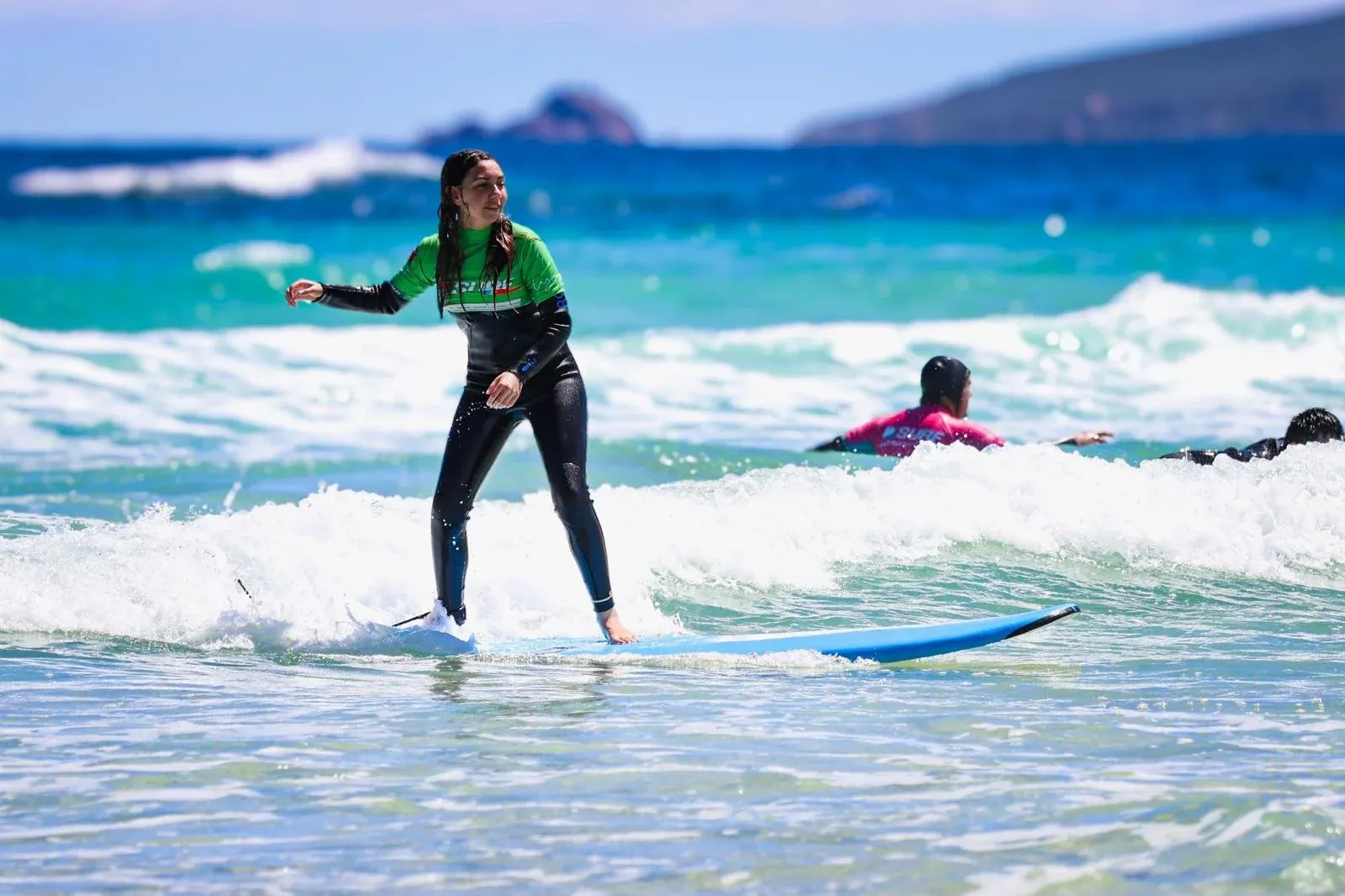
Margaret River & Busselton
South West Australia
Three packages, from first lessons to coaching, on one coastline.
View the expeditions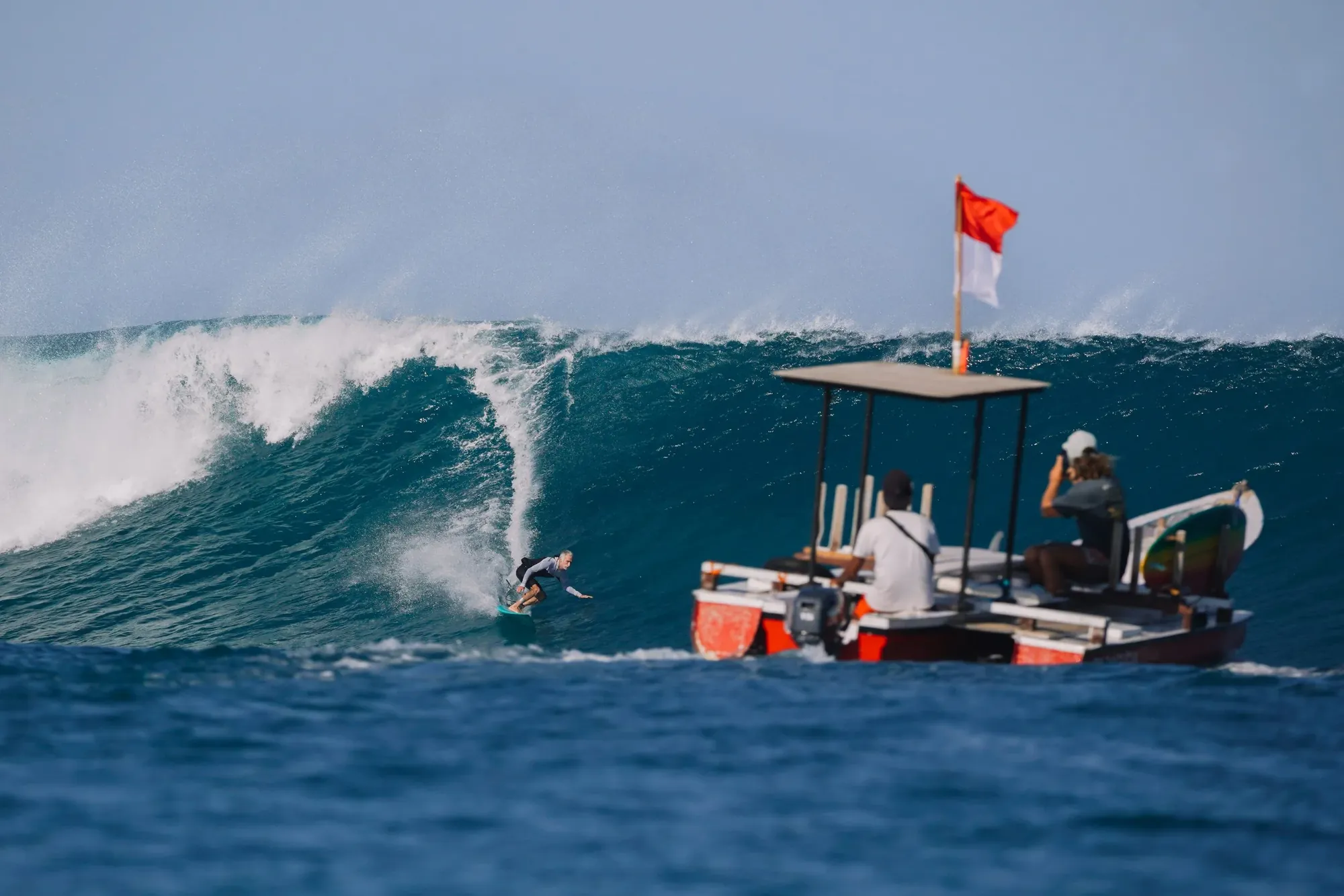 Salt Atlas Expedition
Rote Island · West Timor
Rote Island Expedition
Warm water and quiet reefs, with a daily boat to the break.
View the expedition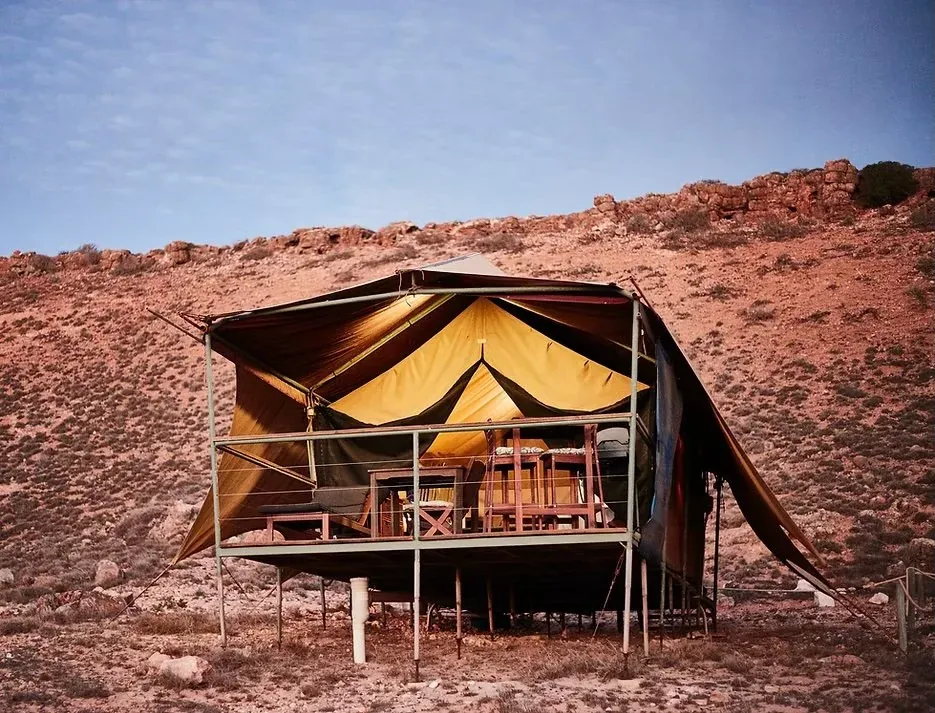 Salt Atlas Expedition
Gnaraloo · Red Bluff · Kalbarri
North West Expedition
Fourteen nights by 4x4. Individual departures run once four guests have booked.
View the expeditionFlights not included. Guests arrange their own travel insurance.