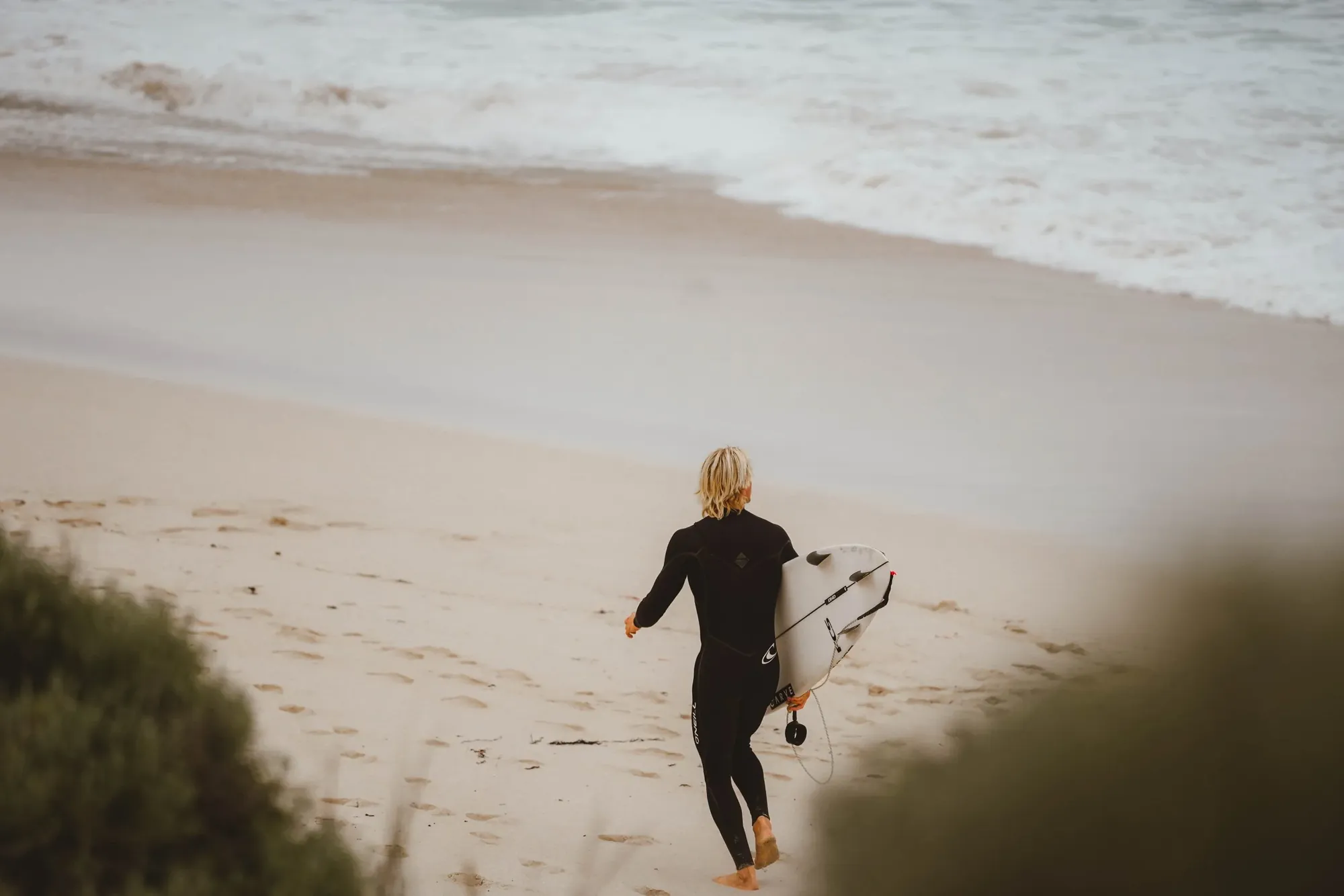
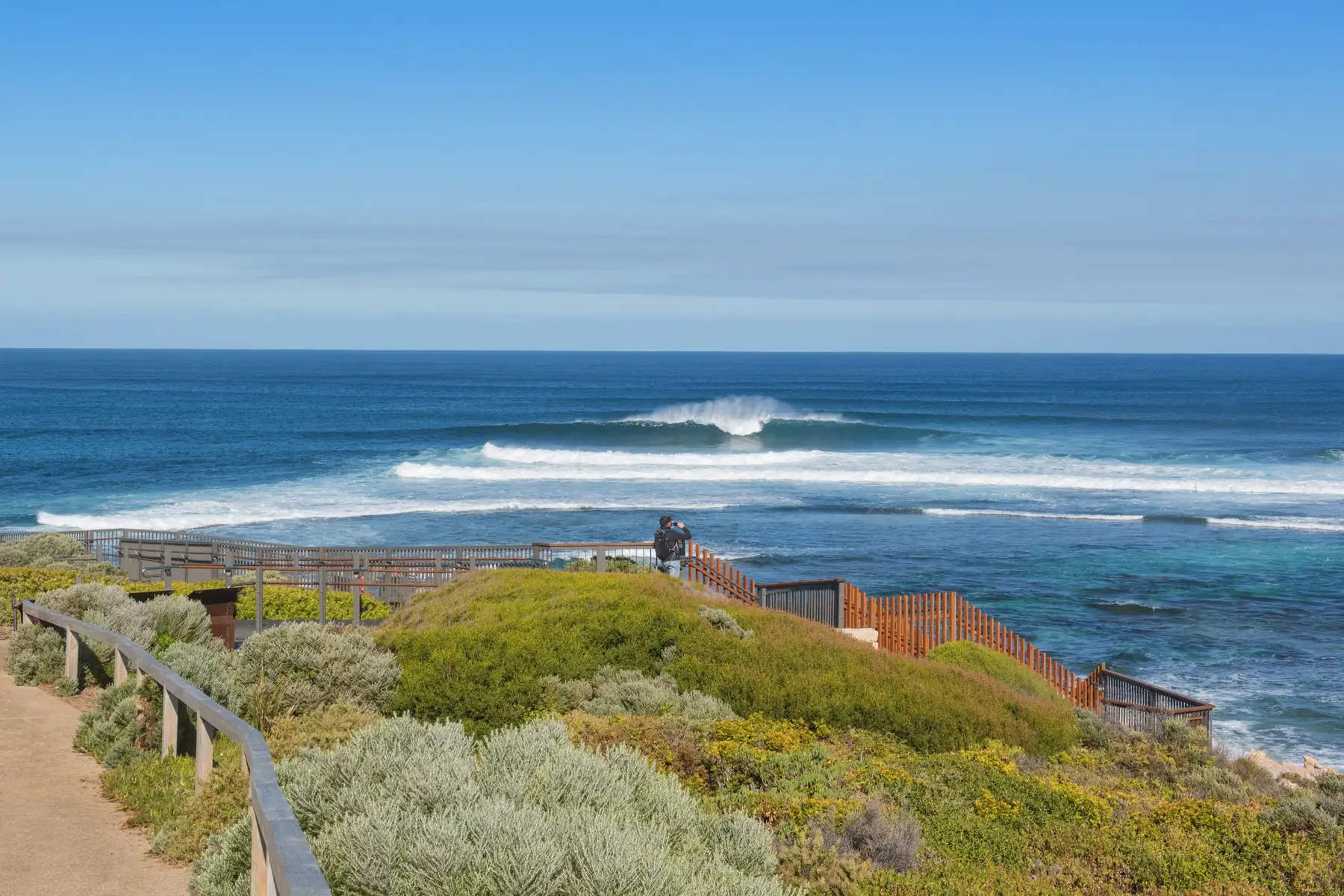
Surfers Point, Margaret River, Western Australia

Journal · Surf & travel guides · Australia

Surfing Australia

A whole continent of coastline, with Western Australia’s reefs and empty stations at the wild end of it. Where to surf, when to go, and what to know before you fly.

Best for
All levelsBeginner bays to heavy reefs
Water
Temperate to warmCooler in the south, warmer up north
Entry
eVisitor or ETANeeded before you fly (UK passports)
Fly into
Perth (PER)For Western Australia
Currency
Australian dollar (AUD)Cards accepted almost everywhere

Why Australia

Surf is part of everyday life here

Most Australians live within reach of the sea, and surfing is woven into ordinary life in a way it is in very few countries. That means clubs, surf schools, good boards to hire and a culture that takes ocean safety seriously. It also means the well-known breaks on the east coast can get busy.

The further you get from the big cities, the quieter it becomes. Western Australia in particular has thousands of kilometres of coast facing straight into the Indian Ocean, with powerful reef breaks, long empty beaches and remote stations where you might share the lineup with a handful of people. It’s where our founder grew up, and where most of our own expeditions run.

Where to surf

Western Australia, region by region

Western Australia is too big to surf in one go: the drive from Margaret River to Red Bluff alone takes the best part of two days. Most surfers choose one region, or join a guided expedition that strings a few together.

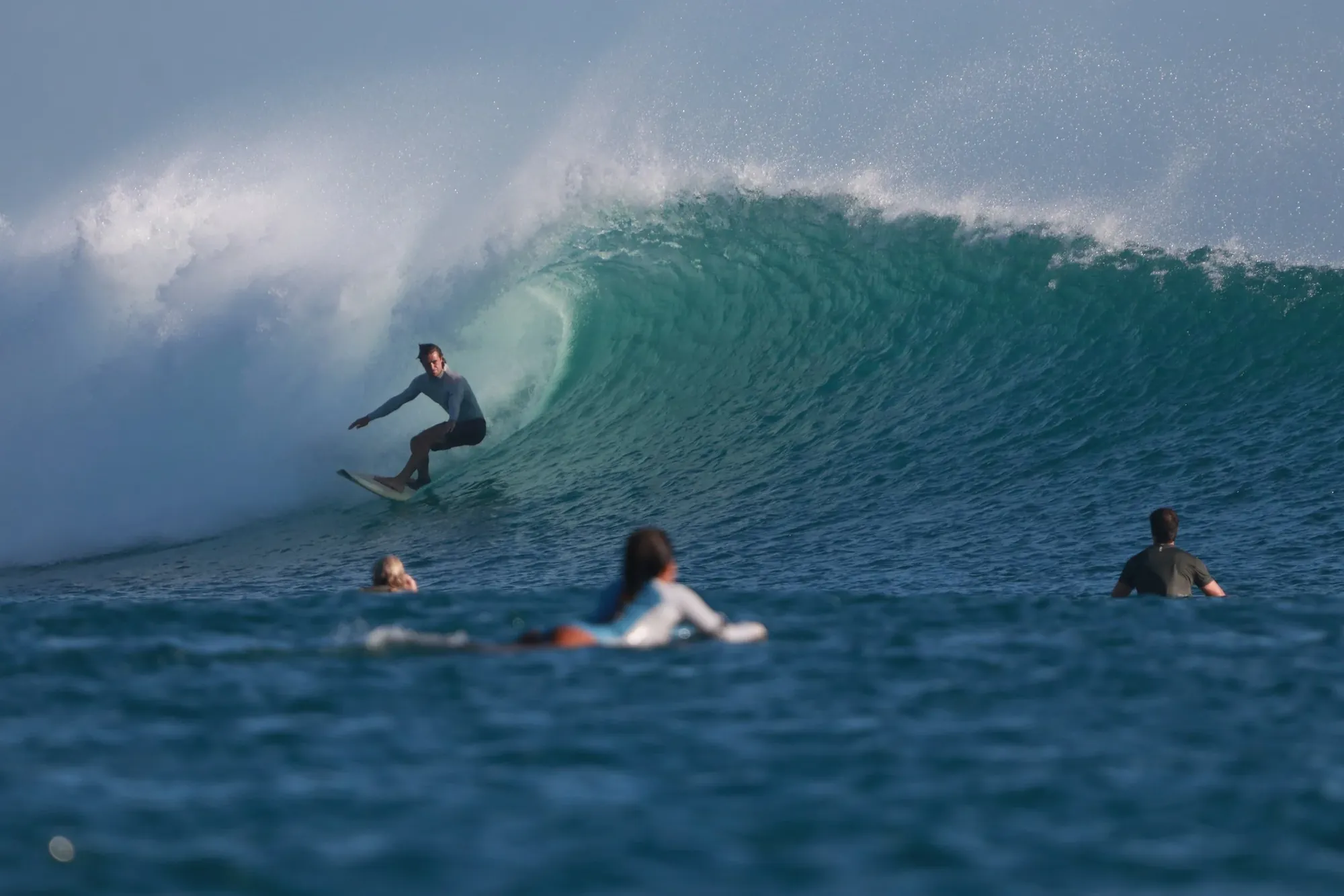
Swell lines at Margaret River Main Break

South West

Margaret River & Cape Naturaliste

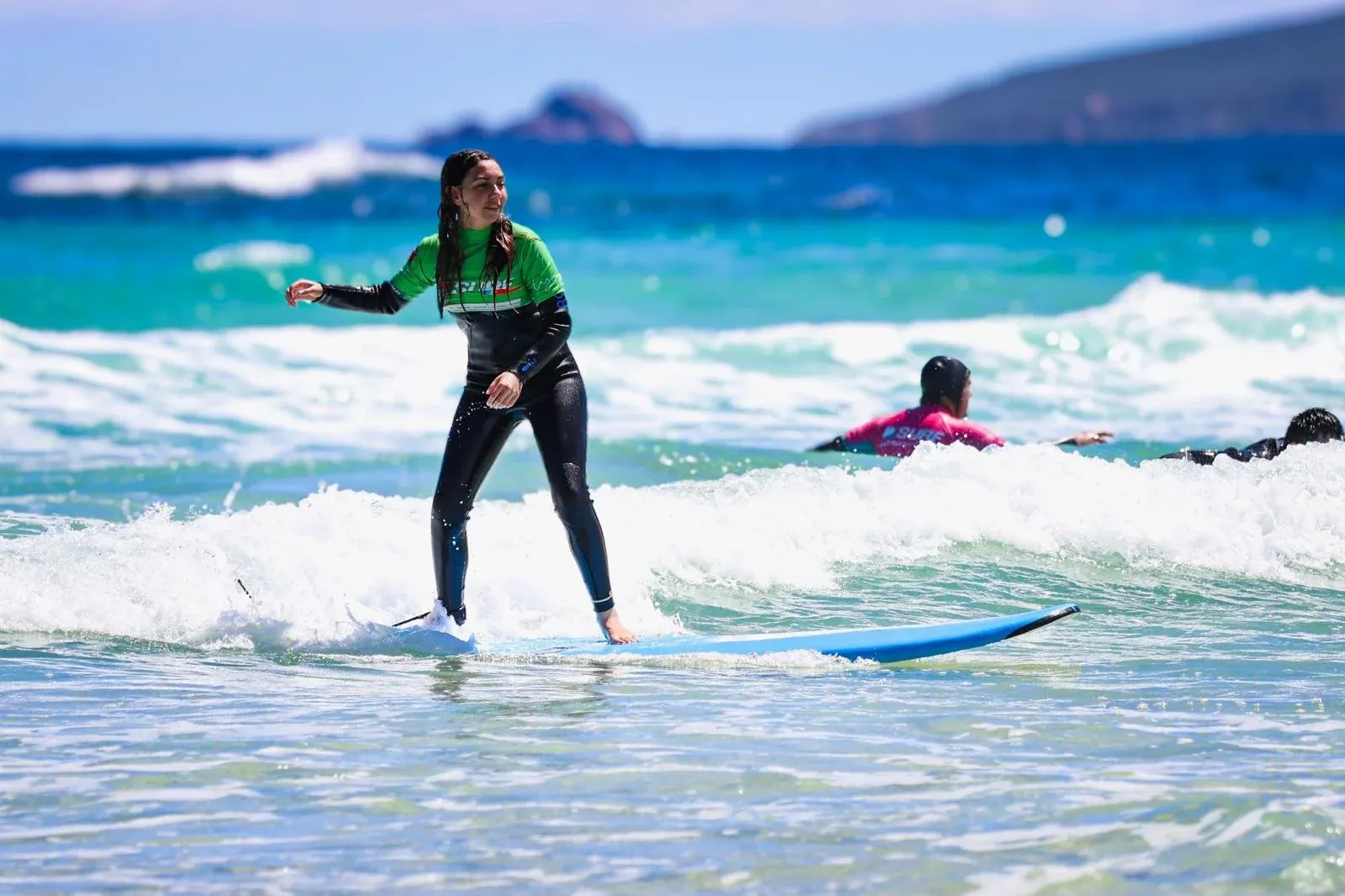
The best-known surf region in Western Australia, about three hours south of Perth. Powerful reef breaks around Margaret River and Yallingup, consistent beach breaks like Smiths, and calm bays on the Geographe Bay side of the cape where beginners can learn. Add karri forest, caves, the Cape to Cape Track and a well-known wine region.

Our season
September to April
Level
Beginner to advanced
Fly into
Perth (PER)
Surf the South West
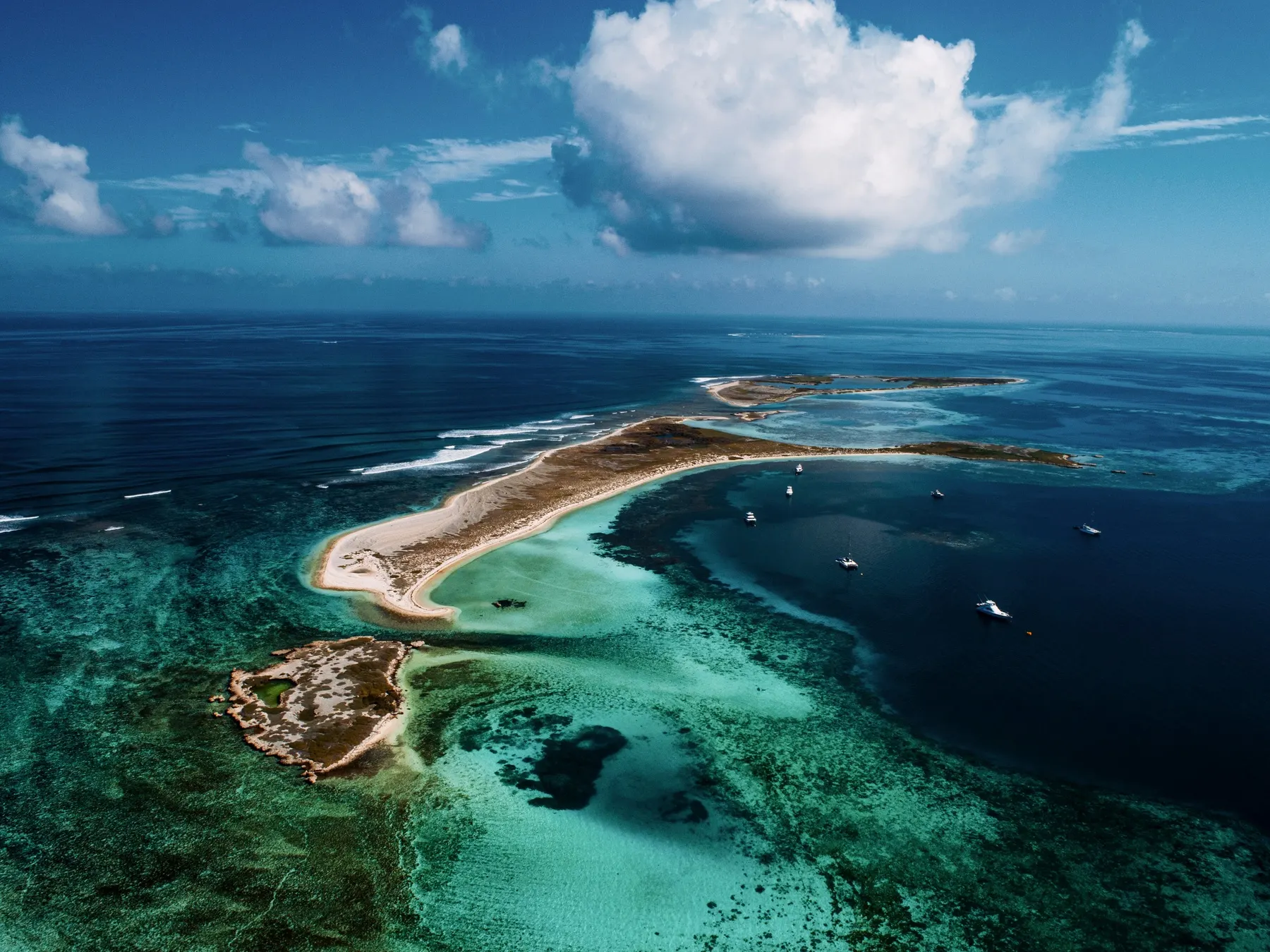
An island and reef in the Houtman Abrolhos

Mid West

Geraldton & the Abrolhos Islands

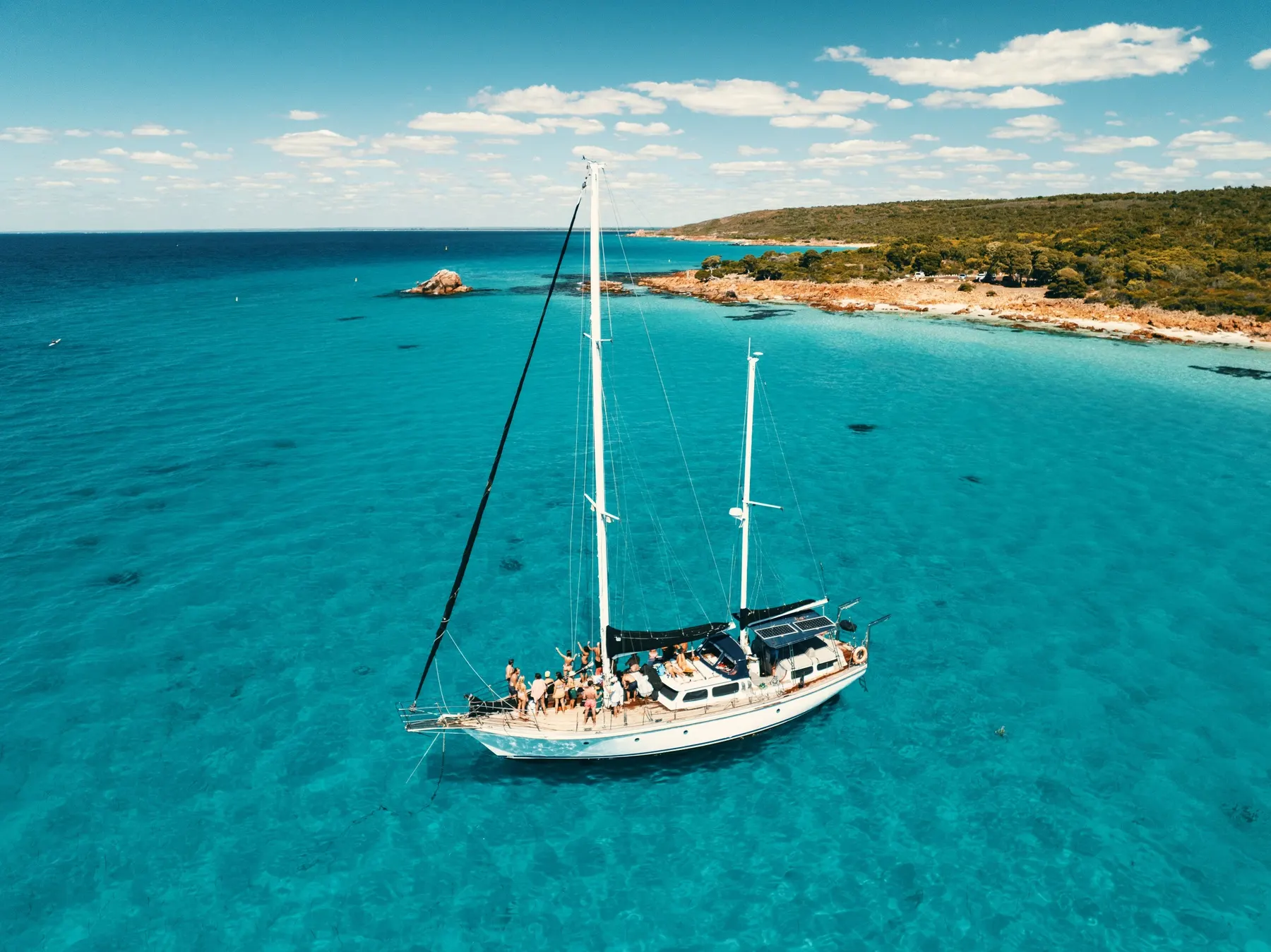
Off Geraldton, the Houtman Abrolhos are a national park of 122 coral islands, with reef breaks that work on the right swell and clear water for diving and snorkelling. There’s no regular ferry: the way to see them is on a boat.

Our season
April to October
Level
Intermediate · advanced
Fly into
Perth (PER), then by road
The Abrolhos by boat
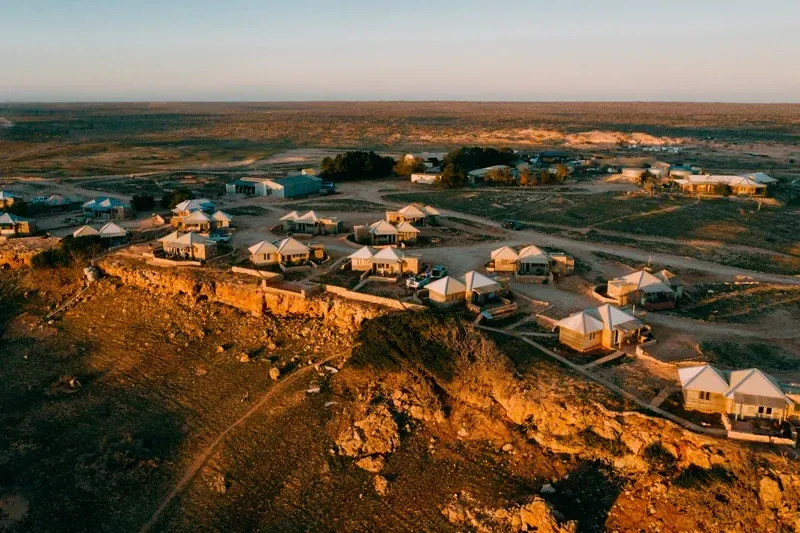
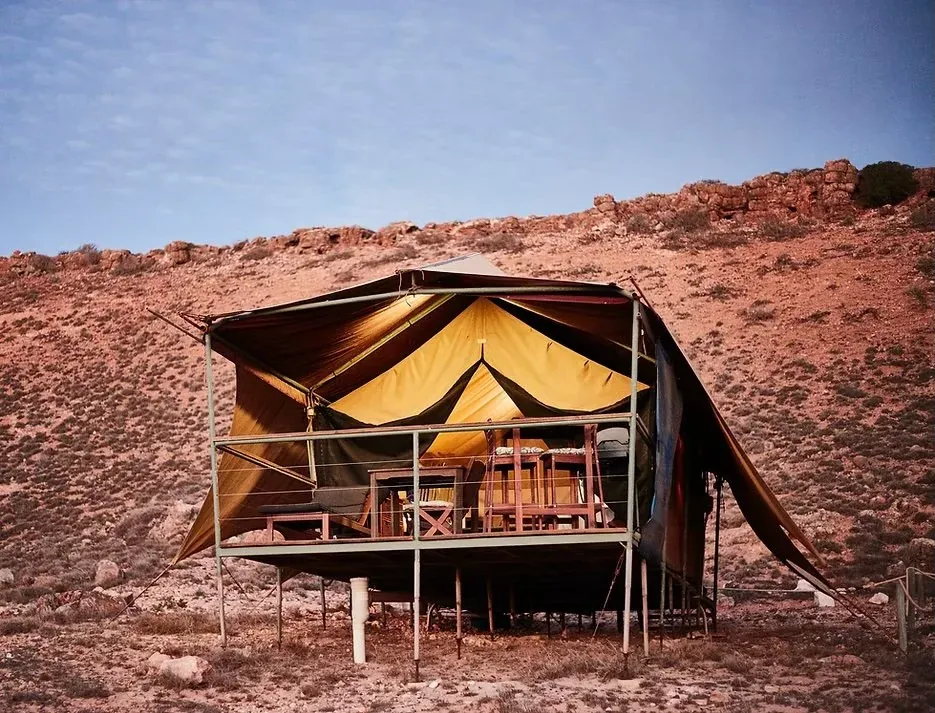
Gnaraloo Station homestead above the coast at sunset

Coral Coast

Kalbarri, Gnaraloo & Red Bluff

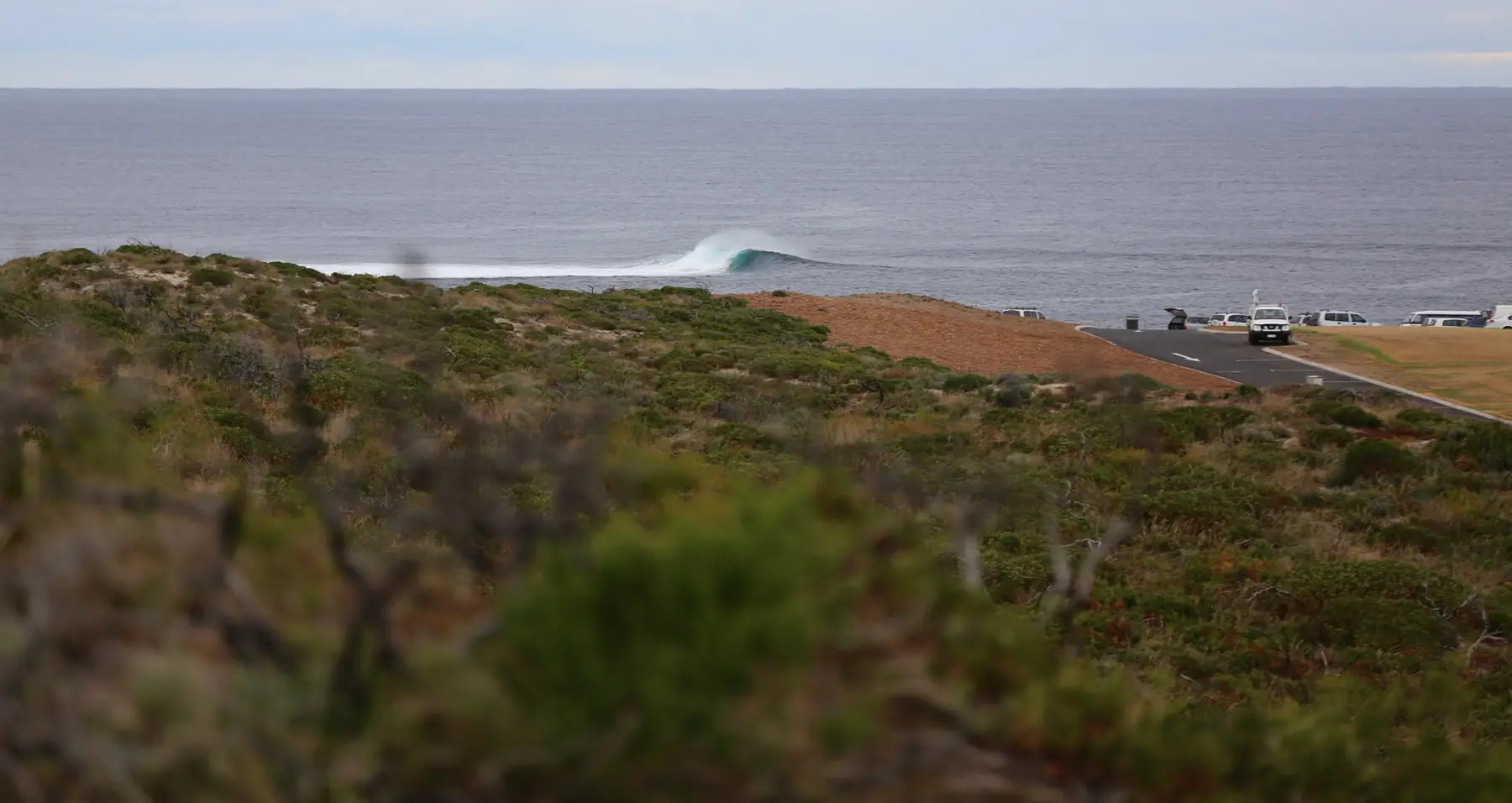
Remote pastoral stations, red cliffs and powerful reef lefts, a long drive north of Perth. Gnaraloo’s left-hand reef works best on a south-west groundswell with a south-easterly offshore wind around mid tide, and the lineup is usually quiet even on good days; watch for rips, rocks and sharks. The water is warm: from about 21–22°C in September to 25–28°C in April. Facilities are basic and distances are huge, so a 4x4, careful planning and local knowledge matter.

Our season
April to October
Level
Intermediate · advanced
Fly into
Perth (PER), then by 4x4
Gnaraloo and Red Bluff

The rest of Australia

On the east coast, the right-hand points of southern Queensland and northern New South Wales are some of the most famous waves in surfing, warm and consistent but often crowded. Victoria’s Surf Coast, home to Bells Beach, has cold water and a strong surf heritage. South Australia and Tasmania offer colder, wilder and quieter options. Each is worth a guide of its own, and we’ll add more as our atlas grows.

When to go

Seasons are flipped

Australia is in the Southern Hemisphere, so its summer runs from December to February and its winter from June to August. In Western Australia, winter brings the biggest and most consistent Indian Ocean swells, along with more storms and onshore days, especially in the south. Summer is warmer, with generally smaller surf in the South West, which suits beginners and improvers.

  • South West: autumn (March to May) is the classic season, with offshore easterly winds and consistent swell. Spring and summer are good, especially for learning. Winter is for experienced surfers who want size.
  • Coral Coast and the Abrolhos: the winter months, roughly May to September, bring the most reliable groundswell; at Gnaraloo, May is the month most likely to have clean waves. Wind is the deciding factor on the day.

Swell and wind vary year to year. Check a forecast before you book flights, and expect the conditions, not the calendar, to decide each day.
How to travel

Distances are bigger than you think

Perth is one of the most isolated big cities in the world, and the surf regions around it are spread out. You’ll need a car to surf the South West independently, and a properly equipped 4x4 and remote-travel experience for the Coral Coast. Australians drive on the left.

Independent

Hire a car and go

Works well in the South West, where roads are good and towns are close together. Harder further north, where fuel, food and phone signal need planning, and some tracks aren’t covered by standard hire agreements.

Stay

One base, day trips

Pick a town such as Busselton, Dunsborough or Margaret River and drive to the breaks each day. Good for mixing surf with wineries, walks and downtime.

Expedition

A guided expedition

A small group, a guide who knows which break suits the day, and the logistics handled: transfers from Perth, accommodation, food and the days out. A good fit for a first visit, or for remote regions.

Staying safe

Respect the ocean

  • Rips. Rip currents are the most common hazard on Australian beaches. If you’re not an experienced surfer, use patrolled beaches and stay between the red and yellow flags. If you’re caught in a rip, stay calm, float and signal for help, or swim parallel to the beach out of the current.
  • Reef and rocks. Many Western Australian breaks are over shallow reef or limestone. Know where the channel is before you paddle out, and don’t surf beyond your ability.
  • Sharks. Encounters are rare, but they happen. In Western Australia, the government’s SharkSmart service shares sightings and beach alerts. Avoid surfing at dawn and dusk near river mouths, in murky water, or near schools of baitfish.
  • Sun. Australia’s UV is strong year round. Use high-factor, reef-safe sunscreen, wear a rash vest and drink plenty of water.
  • Remote travel. On the Coral Coast, tell someone your plans, carry plenty of water and fuel, and don’t rely on phone signal.

Before you go

Entry, biosecurity and insurance

Rules change, and they differ by nationality. What follows was checked in November 2026 and is general information, not legal or immigration advice. Check your own government’s travel advice and the Australian Department of Home Affairs before you travel.

Visa

  • Every visitor needs a visa or travel authority before flying to Australia, including British passport holders.
  • British citizens can usually apply online for a free eVisitor (subclass 651), or for an Electronic Travel Authority (subclass 601) through the official Australian ETA app, which may charge a service fee. Apply only through official government channels.
  • Your passport must be valid for the length of your stay. Countries you transit through may need more validity.
  • Dual British-Australian nationals must enter and leave Australia on their Australian passport.

Biosecurity

  • Australia has strict biosecurity rules. You must declare food, plant and animal products, and items that have been in contact with soil or water, such as hiking boots and some sports equipment.
  • Clean your boards, wetsuits, fins and boots before you pack them. If in doubt, declare it: undeclared items can mean a fine.

Insurance

  • Take out travel insurance that covers surfing, any diving you plan to do and travel in remote areas.

What to pack

A packing list for Western Australia

  • Two boards if you can: an everyday board and a step-up for bigger days
  • A good wetsuit: in the South West, a full suit for most of the year, possibly a spring suit on warm summer days. Further north at Gnaraloo, a rash vest and boardshorts are usually enough, with a thin spring suit for windy days
  • Reef booties if you use them, a rash vest and a hat
  • High-factor, reef-safe sunscreen and sunglasses
  • A warm layer: evenings in the South West and nights in the desert get cool
  • A refillable water bottle and reusable bags

FAQ

Common questions

Where is the best surf in Western Australia?

It depends on your level. The South West around Margaret River and Cape Naturaliste has the widest range, from beginner bays to powerful reefs. The remote Coral Coast around Gnaraloo and Red Bluff, and the Abrolhos Islands offshore, suit intermediate and advanced surfers looking for empty reef breaks.

When is the best time to surf Margaret River?

Autumn, from March to May, is the classic season, with offshore easterly winds and consistent swell. Summer is warmer with smaller waves, good for learning; winter brings the biggest swells and more storms.

Do British citizens need a visa for Australia?

Yes. British passport holders need a visa or travel authority before they fly, usually a free eVisitor or an Electronic Travel Authority applied for through the official app. Check the latest rules on GOV.UK and the Department of Home Affairs website.

Is Australia good for beginner surfers?

Yes. There are plenty of patrolled beaches, sheltered bays and surf schools. Learn with qualified instructors, stay between the flags and avoid reef breaks until you’re confident.

How do I get to Margaret River from Perth?

By road. It’s about three hours’ drive south of Perth Airport. On our South West expeditions, transfers from Perth are included.

Sources

Written by Salt Atlas. Checked November 2026. Seasons reflect when we run our own expeditions, from first-hand experience of these regions. Facts were taken from these public sources:

This guide is general information to help you plan. It isn’t legal, immigration, medical or safety advice, and conditions change. Always check official sources for your nationality before you travel.

Newsletter

First look at new expeditions

Sign up for the latest departures and get early access before trips sell out. Small groups fill fast.

We'll email you about new departures and offers. Unsubscribe any time. See our privacy policy.

Partners & memberships