Journal · South West Australia · Diving
Diving and snorkelling in Australia’s South West
A sunken warship in Geographe Bay, a jetty nearly two kilometres long with an observatory beneath it, and seagrass meadows full of life. What’s under the water between surf sessions.
- Where
- Geographe BayBusselton to Dunsborough, WA
- Wreck dive
- HMAS SwanAbout 35 metres, off Dunsborough
- No dive ticket
- Jetty observatory8 metres down, 1.8 km out
- Snorkelling
- Jetty and baysCalm on the bay side of the cape
- With us
- Optional add-onsOn our South West expeditions
Why dive here
Two coasts in one region
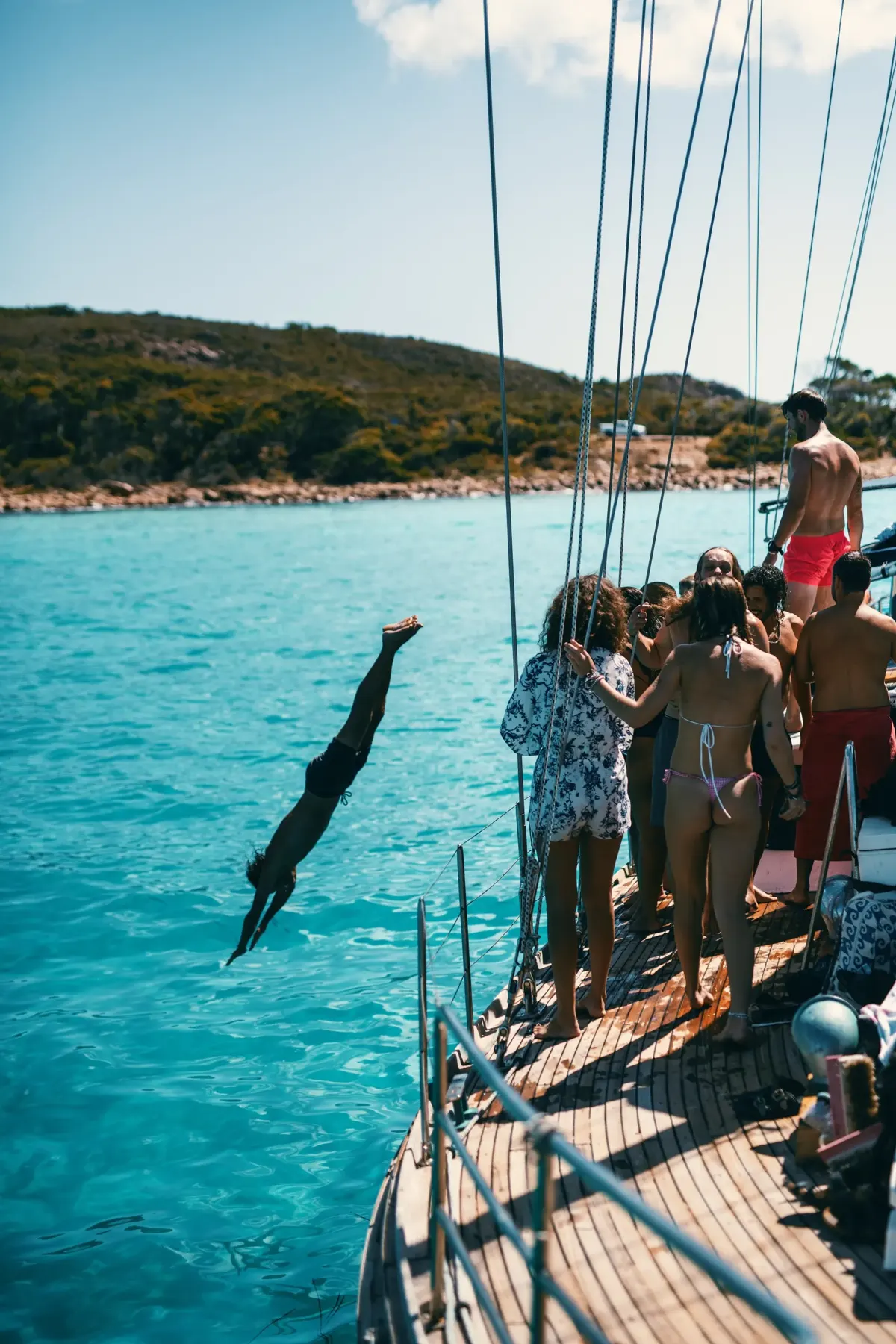
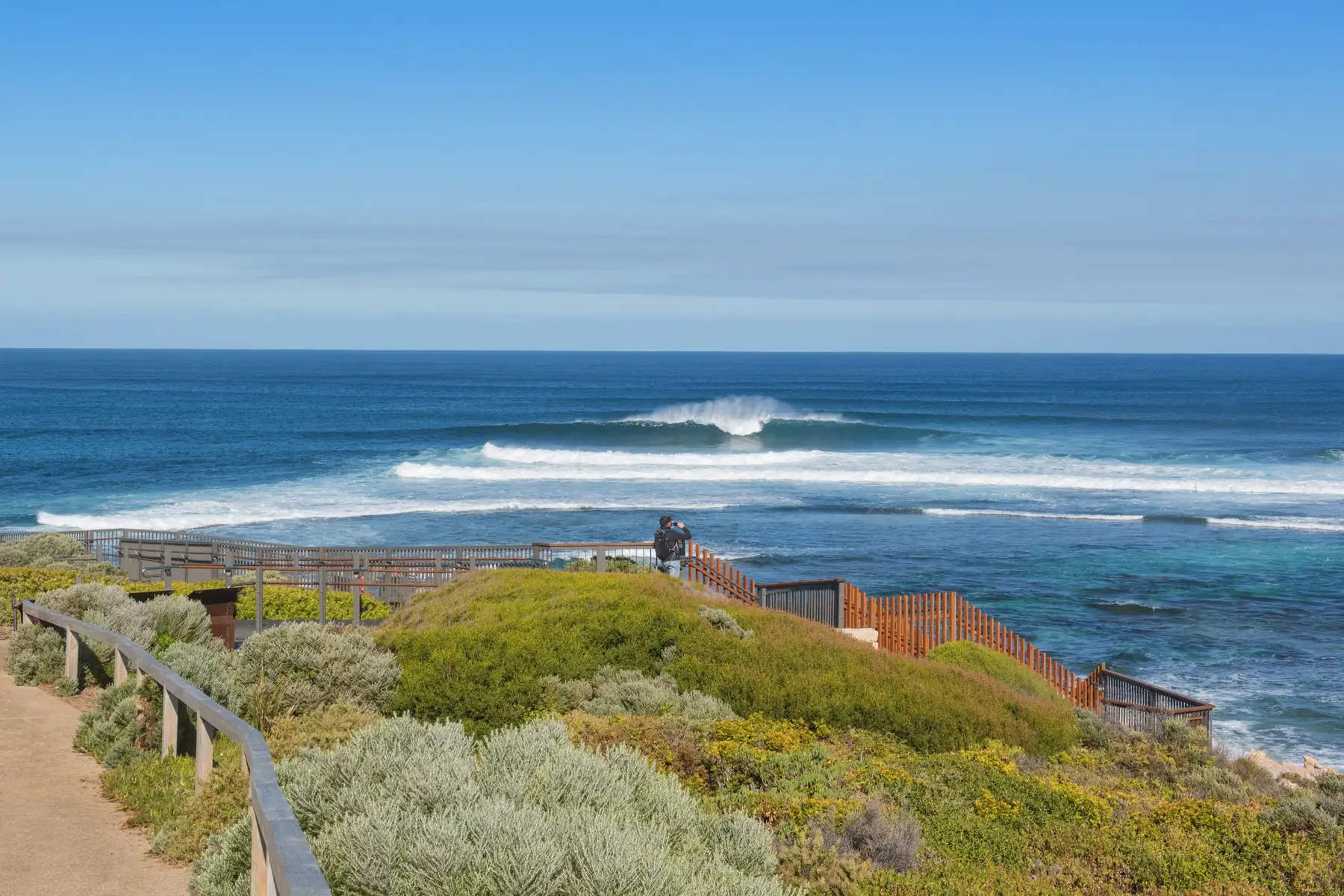
Cape Naturaliste splits the South West in two. On its western side, the Indian Ocean swell hits the coast head on, and that’s where most of the surf is. On its eastern side, Geographe Bay curves away from the swell: sheltered, shallow and often glassy, with long white beaches and seagrass meadows running out from the shore. When the surf is flat or blown out, the bay is usually at its best, and that makes the South West an easy place to mix surfing with diving and snorkelling on the same holiday.
The water here is temperate rather than tropical, so expect a wetsuit year round. In exchange you get a mix of marine life you won’t see in a coral-reef destination: schooling fish, rays, temperate reef species and, offshore in season, dolphins and whales.
The wreck
Diving the HMAS Swan
The HMAS Swan is a former Royal Australian Navy destroyer escort, 113 metres long, that was deliberately scuttled in Geographe Bay off Dunsborough in 1997 to create a dive site. She lies with a slight list in about 35 metres of water, around a 15-minute boat ride from Meelup Beach, and Tourism Western Australia describes her as one of the largest accessible dive wrecks in the Southern Hemisphere.
Decades underwater have turned the ship into an artificial reef. Schools of bullseyes fill the rooms, and divers regularly see King George whiting, samson fish, blue devils and sweep around the hull.
How to dive it
- Most people dive the Swan with a local dive operator, who supplies the boat, the guide and the hire gear.
- At this depth it’s a dive for certified divers. Operators set their own requirements, typically an advanced-level certification or recent deep-diving experience, so check before you book.
- If you dive from a private boat, you need an access permit, available from the Dunsborough Visitor Centre.
On our South West expeditions, a wreck dive on the Swan is an optional extra we can arrange for you. Let us know before you travel and we’ll fit it around the surf.
The jetty
The Busselton Jetty and its Underwater Observatory
At 1,841 metres, the Busselton Jetty is the longest timber-piled jetty in the Southern Hemisphere. Work on it started in 1864, and over more than a century of shipping it grew to its current length before it closed to commercial ships in the early 1970s. Today you can walk it or ride the little train out to the end.
Almost at the end, about 1.8 kilometres from shore, the Underwater Observatory takes you 8 metres below the surface without getting wet. Through its viewing windows you look straight onto the old piles, which are covered in corals and sponges, and the fish that live among them. Since 2023, an underwater sculpture trail of 13 steel and concrete works by Western Australian artists has been added under and alongside the jetty, creating new artificial reef for divers and snorkellers to explore.
The Busselton Jetty experience is included on all three of our South West expeditions, and our house is a short drive away in Busselton.
Snorkelling
No ticket, just a mask
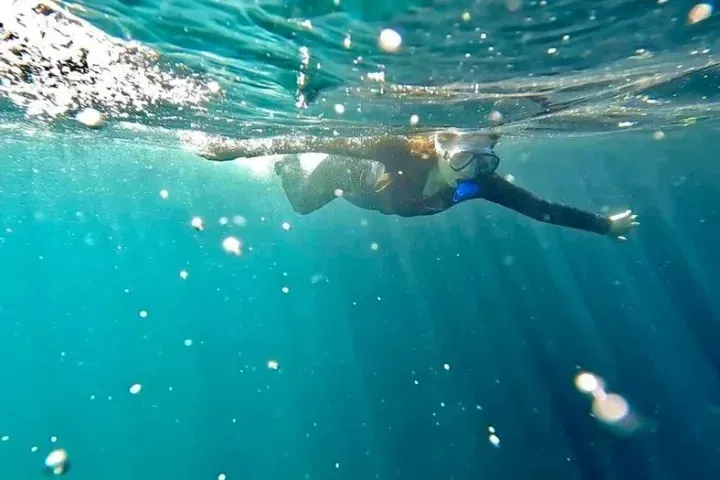
You don’t need a dive certification to enjoy Geographe Bay. Snorkelling under the jetty, where the piles act as a reef, is a popular shore snorkel and an optional add-on with us. The sheltered beaches on the bay side of Cape Naturaliste, such as Meelup, Eagle Bay and Bunker Bay, often have clear, calm water close to shore when the swell is down.
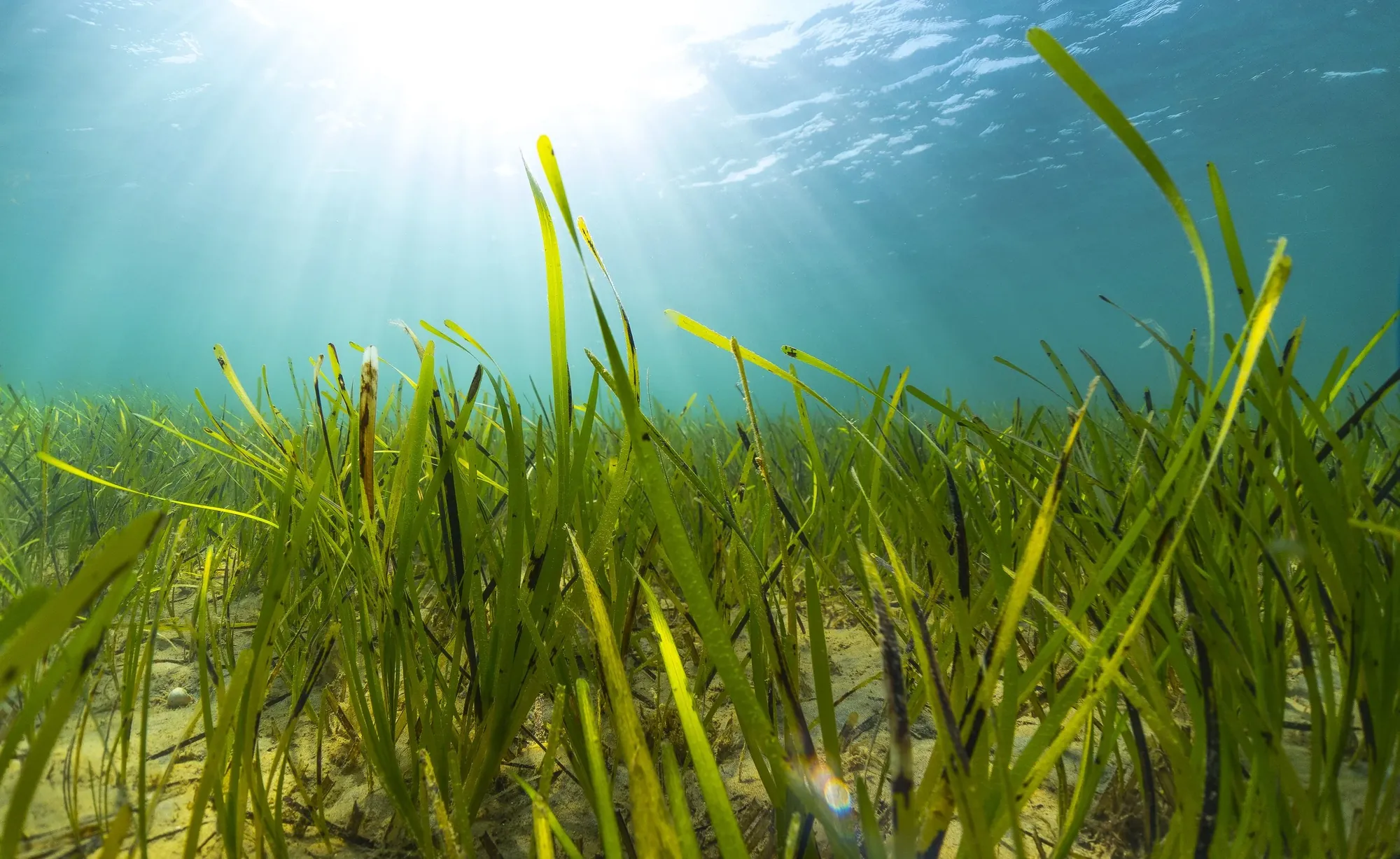
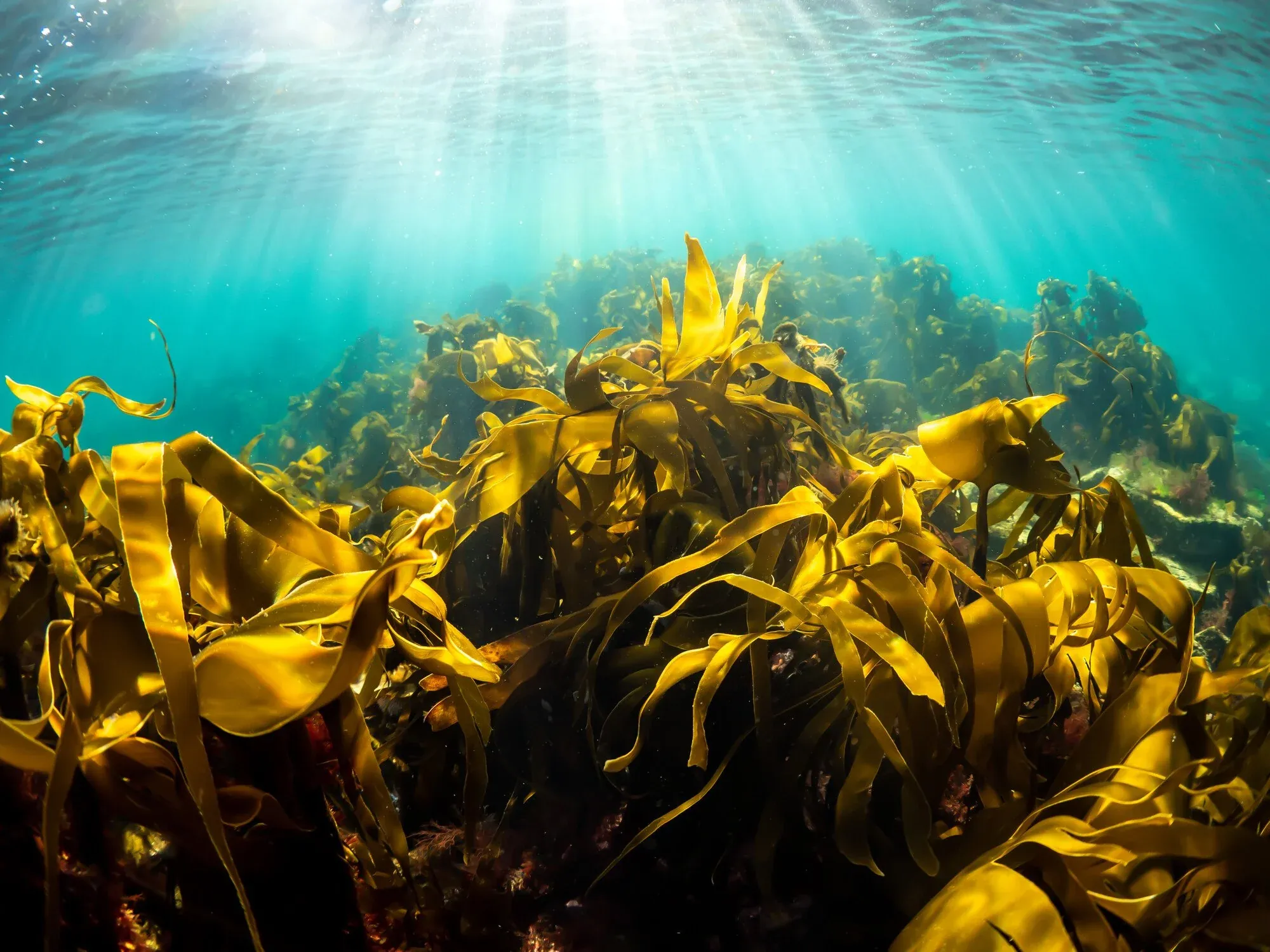
Look down and you’ll often see seagrass. Meadows like these are some of the most valuable habitats on the coast: they shelter juvenile fish, hold the seabed together and store carbon. They’re also under pressure from warming water and coastal development, which is part of why we support organisations working for healthier seas (more in Our ocean partners).
Before you dive
A few practical things
- Plan around flying. Leave enough time between your last dive and your flight home. Standard guidance is at least 12 hours after a single no-decompression dive, and 18 hours or more after repeat dives or several days of diving. Follow your agency’s and operator’s advice.
- Check your insurance. Make sure your travel insurance covers scuba diving to the depth you plan to dive, as well as surfing.
- Bring your logbook and card. Operators will ask to see your certification and recent experience.
- Leave no trace. Don’t touch or take anything from the wreck, the jetty or the seabed, and use reef-safe sun protection.
This is general information, not diving instruction or medical advice. Always dive within your training and follow your operator’s briefing.
FAQ
Common questions
How deep is the HMAS Swan wreck?
The HMAS Swan sits in about 35 metres of water in Geographe Bay, off Dunsborough in Western Australia.
Do I need to be a certified diver to see the Busselton Jetty?
No. The Underwater Observatory near the end of the jetty takes you 8 metres below the surface in a dry chamber, and snorkelling around the jetty needs no certification.
How long is the Busselton Jetty?
The Busselton Jetty is 1,841 metres long, the longest timber-piled jetty in the Southern Hemisphere.
Can I go diving on a Salt Atlas expedition?
Yes. On our South West Australia expeditions, diving the HMAS Swan and snorkelling under the jetty are optional extras we can arrange. Our Abrolhos Islands charter also includes time for diving and snorkelling, and the resort on our Rote Island expedition runs its own diving.
Do I need a wetsuit?
Yes. Geographe Bay is temperate water, so a full wetsuit is normal for diving and snorkelling for most of the year. Dive operators supply suits with their hire gear.
Surf and dive with Salt Atlas
Expeditions with time underwater
 Salt Atlas Expedition
Margaret River & Busselton
South West Australia
Progression, Performance or Unbound: one house in Busselton, the whole coast, and the bay for diving.
View the expeditions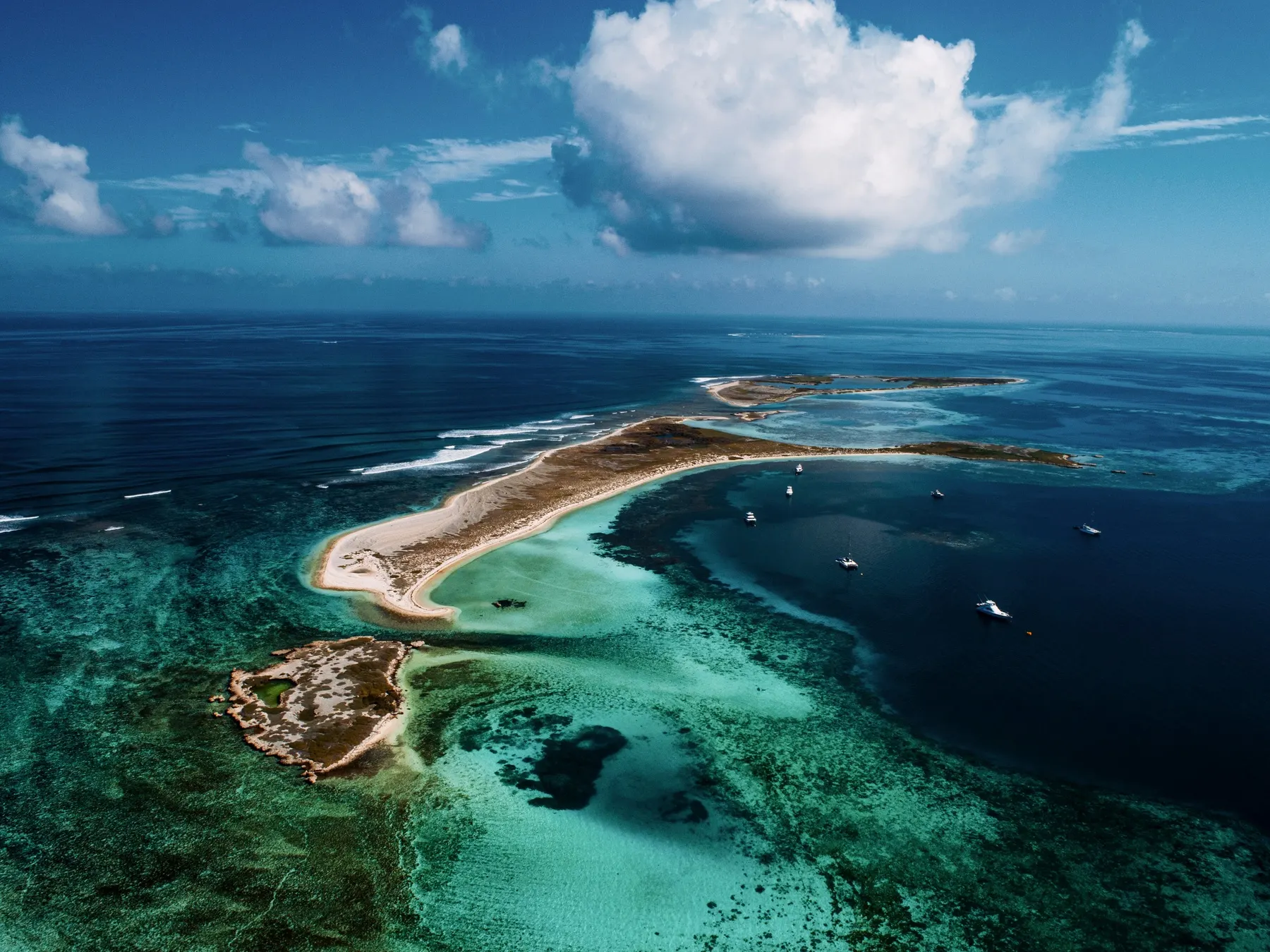 Salt Atlas Charter
Houtman Abrolhos Islands
Abrolhos Islands charter
Reef breaks, diving, snorkelling and fishing from a 65-foot ketch.
Register interest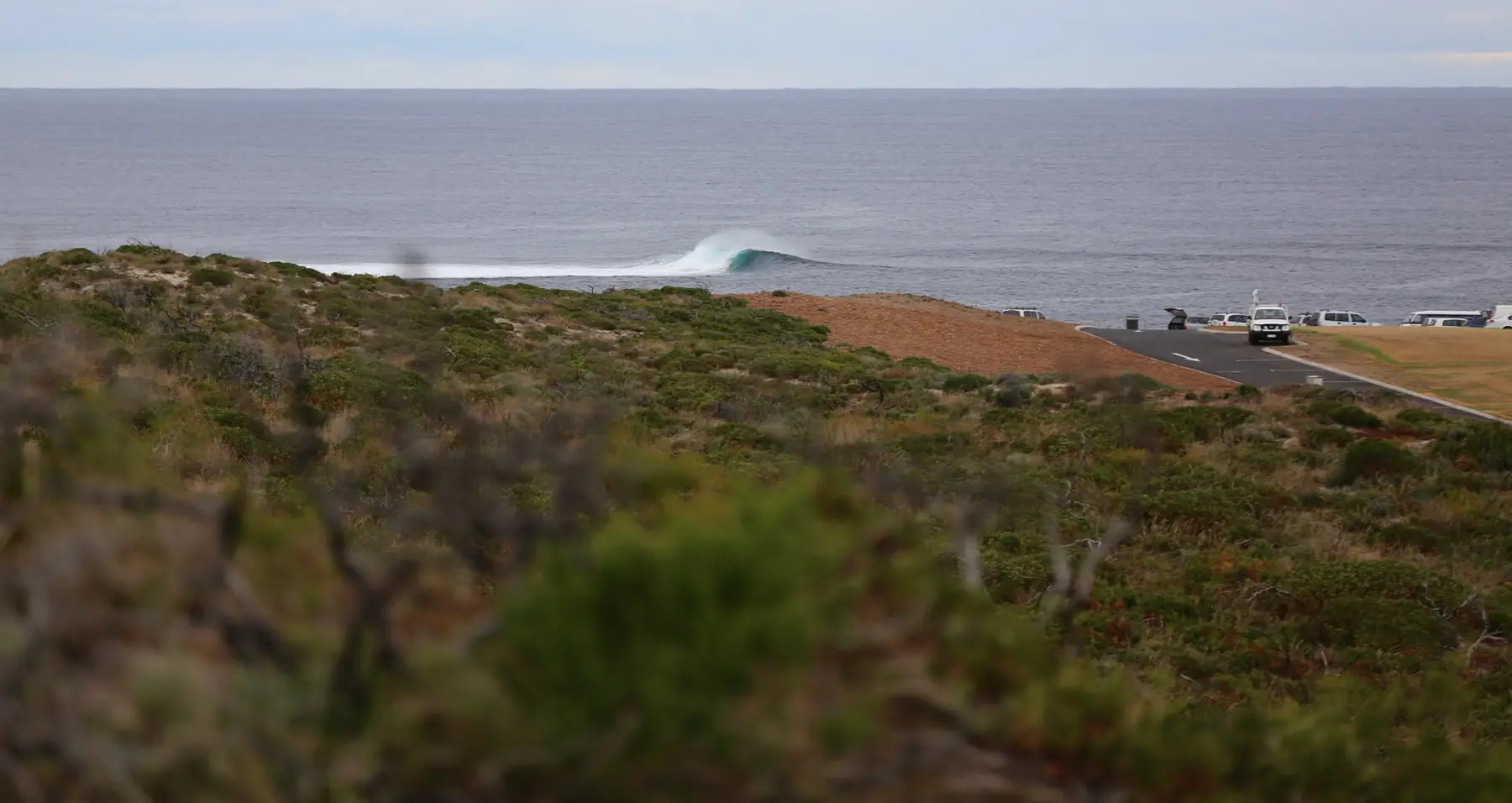 Journal
South West Australia
Progression, Performance or Unbound?
How our Margaret River surf expeditions work, and how to choose yours.
Read moreSources
Written by Salt Atlas. Checked November 2026.
- HMAS Swan: Tourism Western Australia, HMAS Swan Dive Wreck.
- Busselton Jetty, Underwater Observatory and sculpture trail: Busselton Jetty; Busselton Jetty (Wikipedia).
- Flying after diving: Divers Alert Network guidance.
Photos: seagrass by Theo Vickers; kelp by Alison Moore.